
Sub-Total: $0.00
See & Be Seen
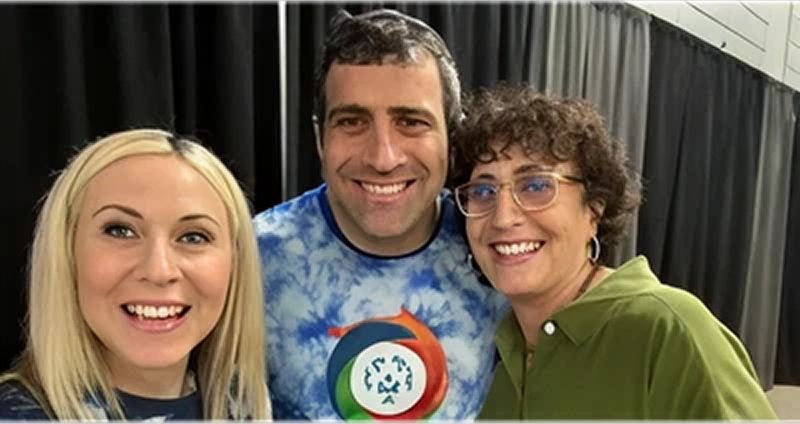
Hello, and thank you for being here. I’m Quincey, the Director of Little Rock Junior Cotillion. As I’ve stepped into this role—truthfully, it might be more accurate to say I jumped in with both feet or even dove in head first—I’ve been asked many variations of the same question: “Why?”
Why take on this role?
Why dedicate so much time and emotion into teaching etiquette and social skills to young people?
This feels like a fitting place to explore that answer—both why I do what I do and how I try to do it.
Meet, Benjamin
Allow me to introduce you to my friend, Benjamin Prousnitzer.
Benjamin is a local advocate for Special Olympics Arkansas, an accomplished swimmer, and a strong voice for Autism Awareness. Also on his impressive resume, he is an alumnus of Little Rock Junior Cotillion.
Beyond his own achievements, Benjamin has made a remarkable impact on others—sometimes without even realizing it.
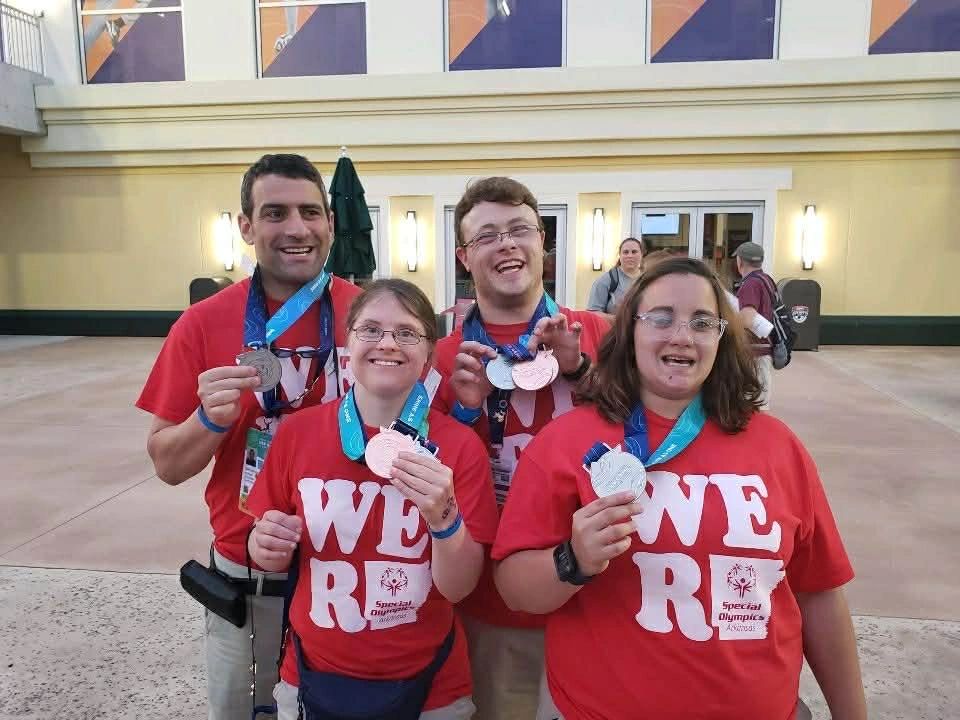
A few years ago we had a young swimmer with The Marlins who loved being in the water and attending practice but had a true disdain for competing in swim meets. Let’s call him “Kyle.” (That’s not his real name, but it can be for the intent and purpose here.)
Kyle enjoyed swimming, but racing? Not so much.
One day he expressed interest in participating in Special Olympics and competing with The Water Dragons. Benjamin met him exactly where he was—encouraging him, pushing him to explore different events, and helping him find a love for racing.
This summer, Kyle will travel to compete as a member of Special Olympics Team Arkansas, representing our state.
That is no small accomplishment. Way to go, “Kyle.”
Words Last A Lifetime
Over the past few years, I’ve watched Benjamin share posts on social media about life with autism, his perspective on everyday experiences, and his next goals in the pool. He is also someone that I can count on to reliably comment on my posts, asks thoughtful questions, and even offers feedback.
One day, after commenting on a post, Benjamin shared a sentiment that meant the world to me. He said he believed my predecessor would be proud of the work we continue to do at Little Rock Junior Cotillion.
I certainly hope she is.
I have not forgotten the joy that his comment brought me. Remembering this comment gave me the push that I needed to to ask Benjamin about his time in the program and how he felt it had impacted his life.
His response was simple and meaningful. He said the program “Taught me to be a gentleman.”
And one of his favorite memories?
Learning The Macarena.
A Goal of Cotillion
At its core, that is exactly what we hope for.
A goal of ours is that students leave Little Rock Junior Cotillion with fond memories of their time with us—and with a few practical life skills that help them become confident, thoughtful members of their communities.
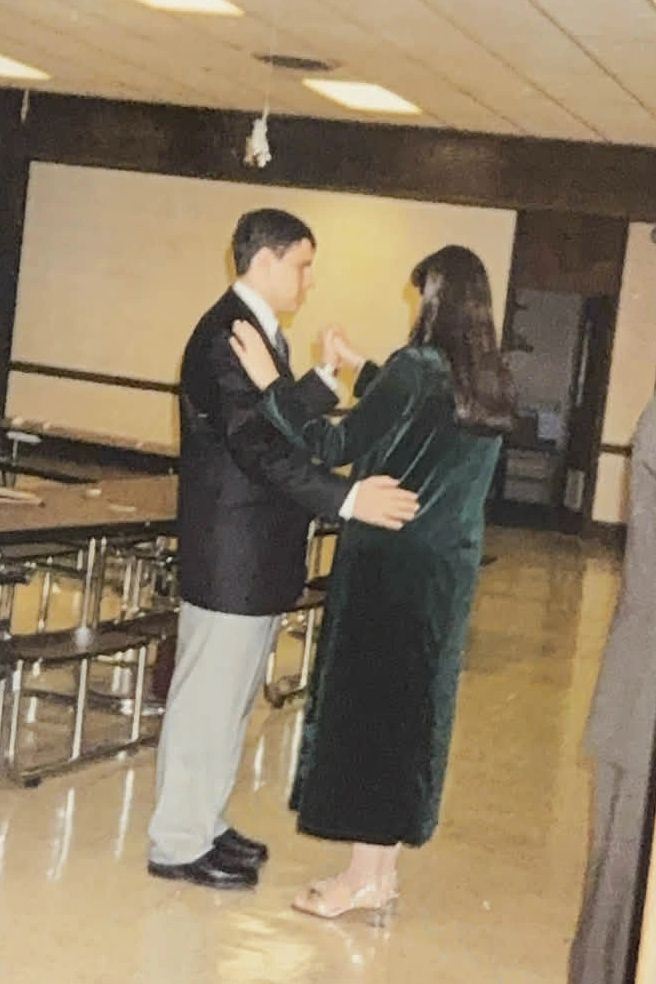
Benjamin’s willingness to share his experience also helped illuminate part of my own “why.”
I teach with the intention of helping every student feel seen.
What Do We Actually Remember?
Think about the interactions that you have had with people who have made a profound impact on your life.
Do you remember…How they styled their hair? …The brand of shoes they wore? …The exact words they spoke?
Probably not.
I would, however, venture to say that you remember how they treated you and how they made you feel.
That matters. Words matter. Actions matter.
Teaching Skills That Build Confidence
Beginning in the 5th grade, we start with some basic skills; proper handshakes, attentive listening, conversation and small talk.
These may sound trivial, but they help students experience success in social situations and build genuine confidence.
During our discussion of attentive listening, we talk about eye contact. For some, making direct eye contact is natural. For others, however, it can feel overwhelming—or even unattainable.
So we ask a simple question:
How can we show someone we’re listening without increasing our own anxiety?
During this lesson, I explain that looking at someone’s eyebrows, nose, or even lips can accomplish the same purpose. It allows the other person to feel seen and heard while reducing the stress that direct eye contact might cause.
Because the goal is connection—not discomfort. Learning new skills can be uncomfortable enough. Why add to it?
If I Am Being Honest…
…when I feel anxious, it becomes much more difficult for me to focus and truly listen.
Anyone else?
Surely it cannot be just me.
And that is exactly why these lessons and skills matter.
We are not simply teaching manners, etiquette, and dances.
We are teaching confidence, empathy, and awareness of others—skills that will be of benefit far beyond a dance floor of cotillion or a series of handshake and introduction practices.
And every now and then, when we’re very fortunate, we see those lessons echoed years later in the life of someone like Benjamin.
That is a very meaningful answer to the ever so frequent question of “Why?”